Is an Electric Car Worth It in Uruguay in 2026?
May 27, 2026

The short answer is: yes, it can make sense, but not for everyone.
Uruguay's electric vehicle market grew very quickly. According to ACAU figures reported by Medios Públicos, 14,387 electric vehicles were sold in 2025, a 147% year-over-year increase.
That is a clear signal: more people are weighing whether to leave combustion cars behind and switch to an EV.
Why it can make sense
The main benefit is running cost. UTE notes that electric vehicles have a significantly lower cost per kilometre than fossil-fuel cars, plus less maintenance thanks to simpler mechanics.
There is also the environmental angle. Uruguay's power grid is mostly renewable, so charging an EV here makes more sense than in markets where electricity still relies heavily on fossil fuels.
For people who drive many kilometres each month, the gap can matter. Tools like EV Uruguay help estimate savings by comparing electricity use, fuel, and distance driven.
The key point: where you will charge
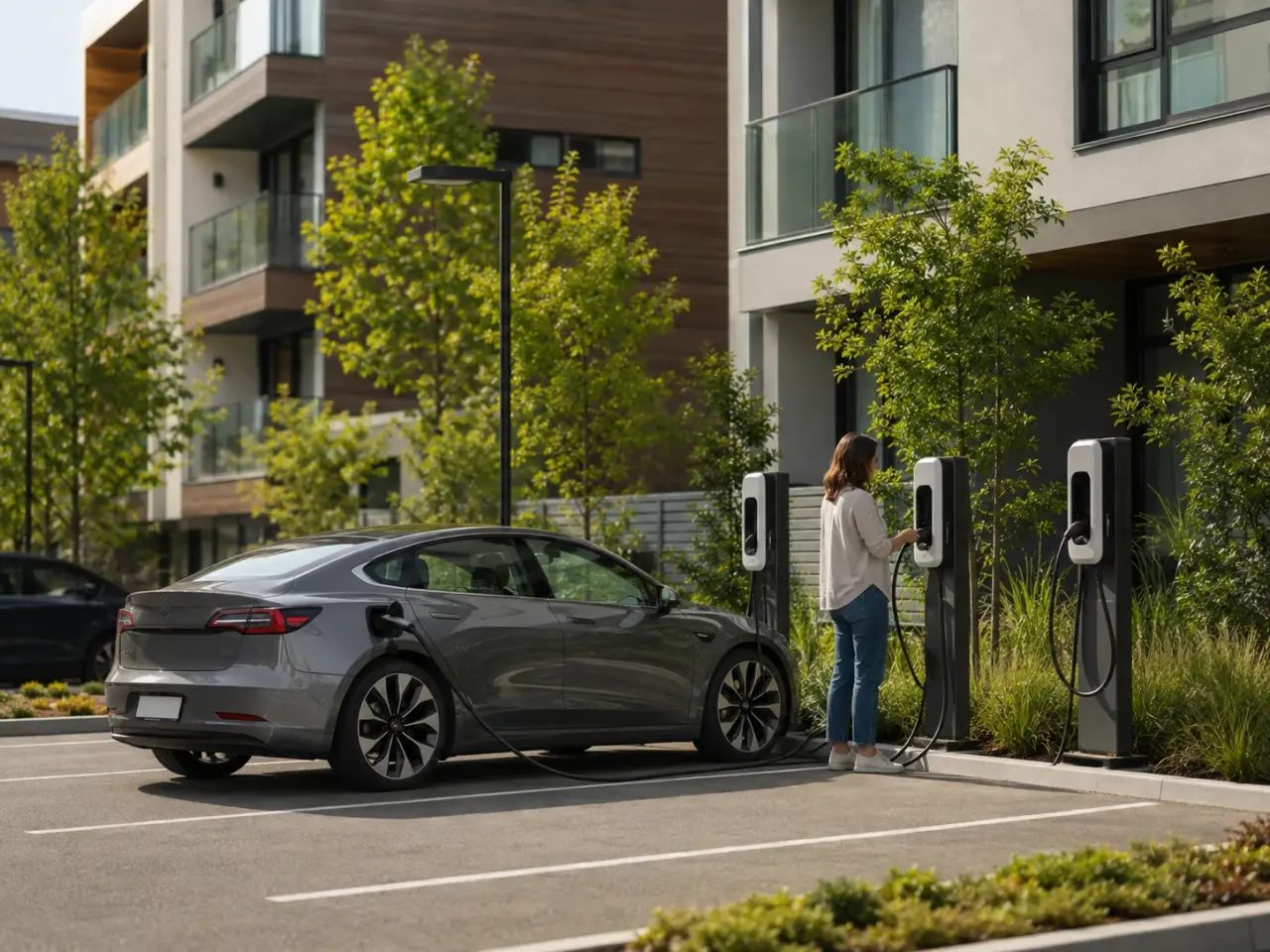
Buying an EV makes much more sense if you can charge at home, in your building, at work, or at places where you already spend time.
Uruguay's public charging network is growing, and MIEM is working on issues such as interoperability, payments, access, and charger information. In practice, relying only on public chargers may not suit everyone.
If you live in a house with a garage or have a predictable routine, an EV scores well. If you live in a building without infrastructure, often travel to areas with little charging, or have nowhere to plug in regularly, it is worth looking more carefully.
Drawbacks to keep in mind
The first is upfront price. Even as supply grows, many EVs still cost more than comparable combustion options.
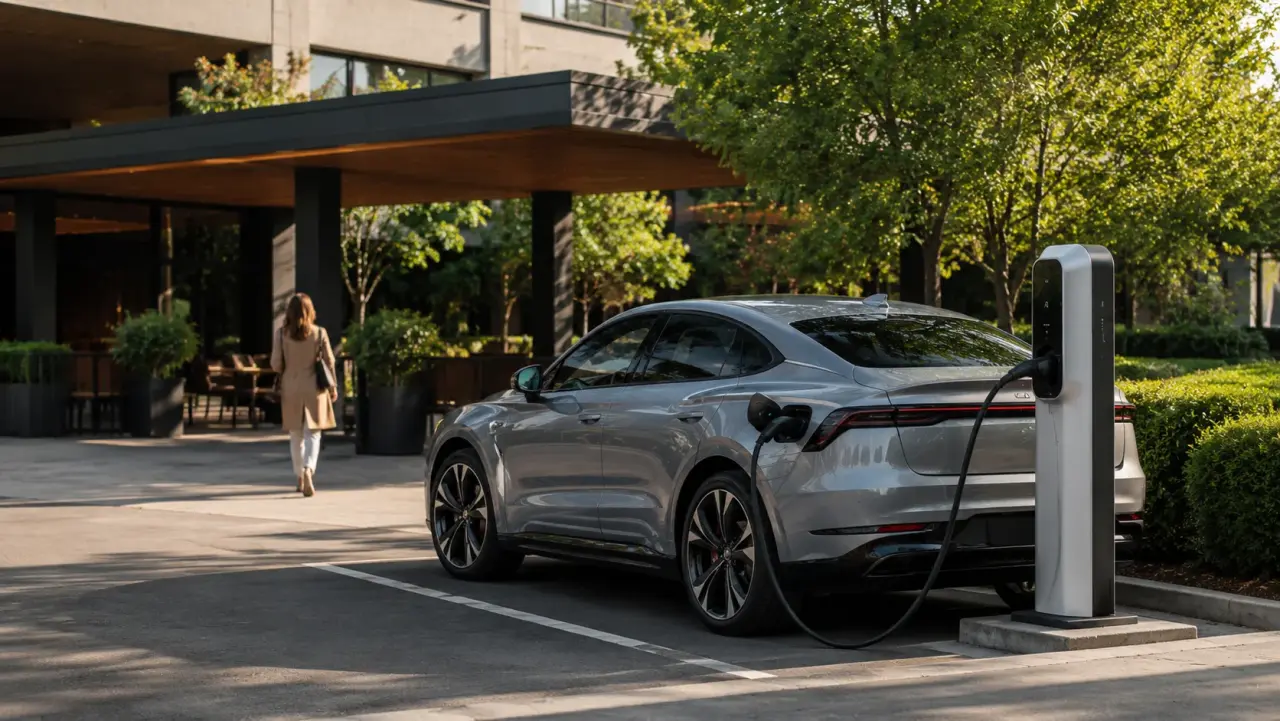
The second is infrastructure. There are more chargers than before, but not every building, hotel, car park, or business is ready for this demand yet.
The third is that the economics can shift. In 2026, debate began over removing or reducing bonuses on public charging tariffs—something industry voices flagged as a possible impact on whether buying an EV still pays off (El País).
So, does it make sense or not?
An electric car in Uruguay in 2026 is worth considering if:
- You drive many kilometres each month.
- You can charge at home, work, or a nearby point.
- You want a lower cost per kilometre.
- You value lower maintenance.
- Your routine does not depend on long unplanned trips.
It may not be the best fit yet if you lack clear access to charging, often travel to areas with little infrastructure, or the upfront price is well above your budget.
An increasingly reasonable choice
Buying an electric car in Uruguay is no longer a rare bet. For many profiles, it is becoming an economic and practical decision.
But the key is not only the car—it is the charging network around it. The more hotels, buildings, car parks, clubs, and businesses offer charging, the easier it becomes to switch to electric mobility.
At CarCharge, we help more places offer EV charging in a simple, orderly way—without complicating day-to-day operations.