Where to Charge an Electric Car in Uruguay
May 17, 2026
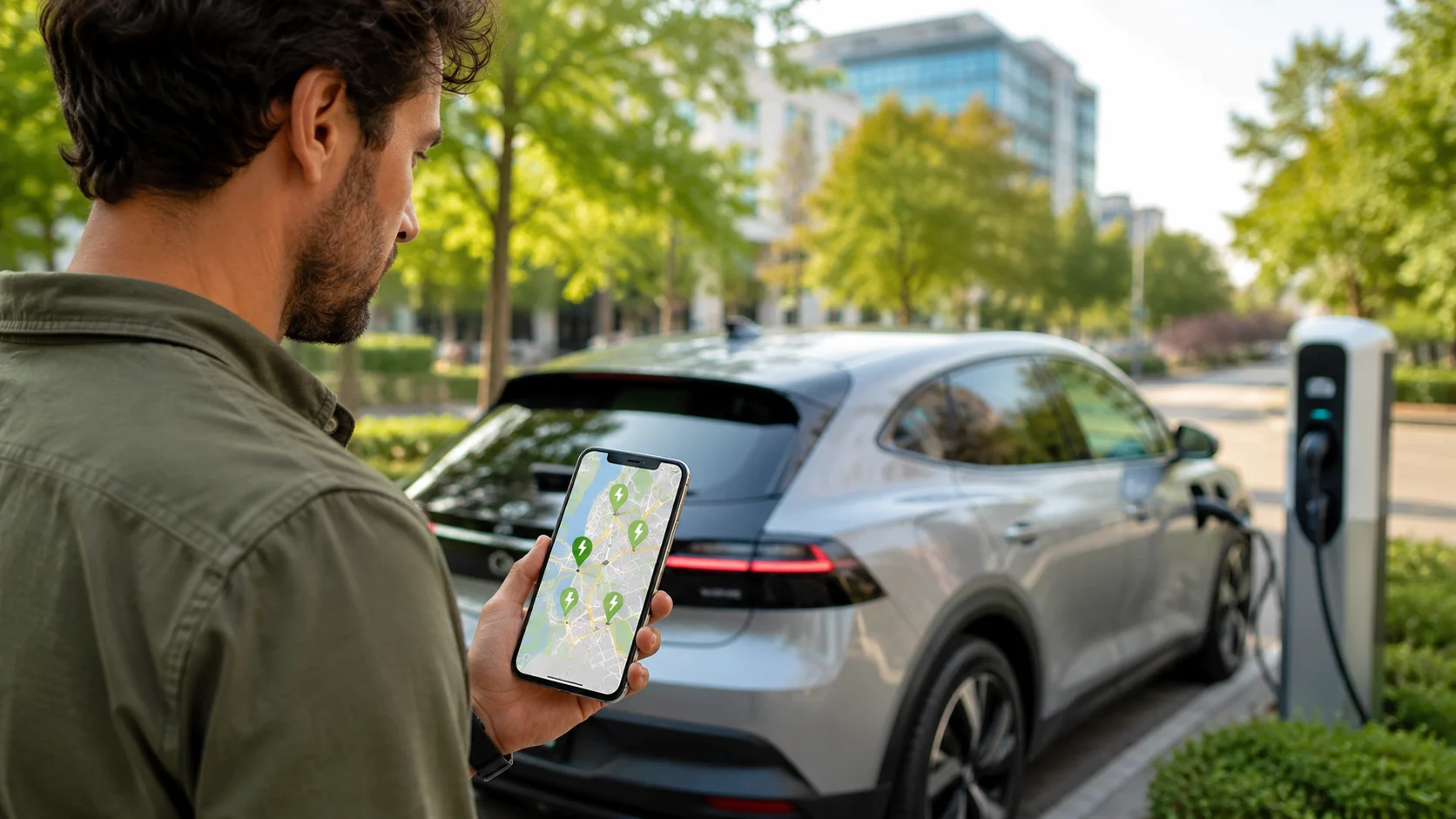
One of the first questions any EV driver asks is simple: where can I charge the car?
Charging infrastructure for electric vehicles is growing in Uruguay. MIEM reports that UTE's public network offers more than 300 public charging access points nationwide, with both AC and DC chargers.
But the public network is not the only way to charge—and it is often not the most convenient.
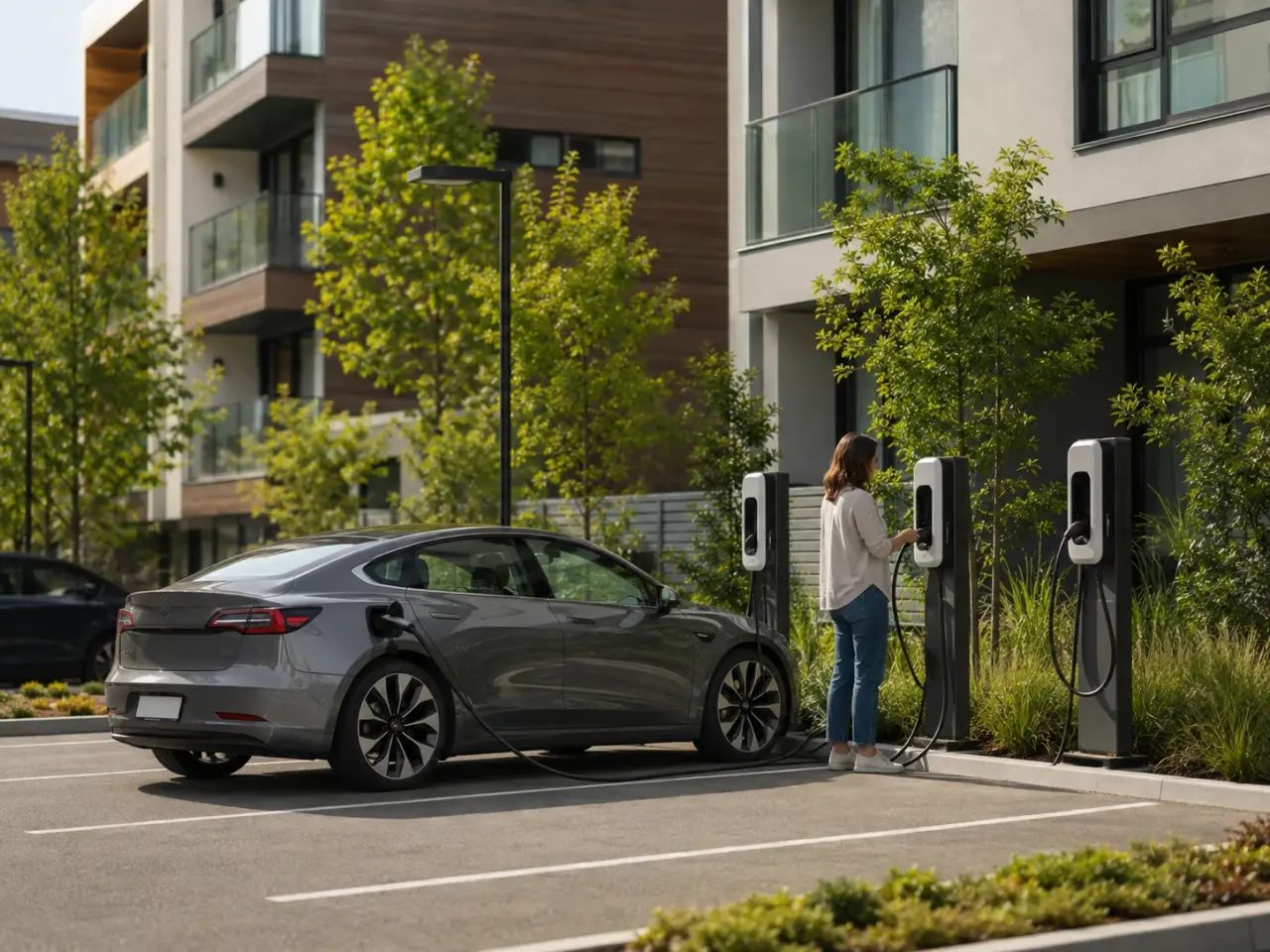
Charging at home: the most comfortable option
If you have a garage, carport, or a fixed parking spot, home charging is usually the simplest way to live with an EV.
The car stays plugged in while you sleep or when you are not using it, and it is ready the next day. UTE also notes that electric vehicles have a lower cost per kilometre than fossil-fuel cars, which makes routine charging one of their main benefits.
The challenge appears when you cannot charge at home, live in an apartment building, or need to travel.
Public charging: essential, but not always enough
Public charging is vital for long trips, emergencies, or routes outside your routine. The system also needs to keep improving—clear information, availability, payments, and access across operators. MIEM works on this under interoperability.
Even so, relying only on public chargers can add friction: detours, waiting, occupied stations, or reshaping the trip around charging.
That is why an important idea is growing: charge where you were already going to be.
Options for charging an electric car in Uruguay
- At home or in your own carport.
- At work or in your building.
- At public chargers.
- At hotels and lodging.
- At restaurants, wineries, or food destinations.
- At shopping centres, car parks, clubs, museums, or tourist sites.
Destination charging: the option that changes the experience
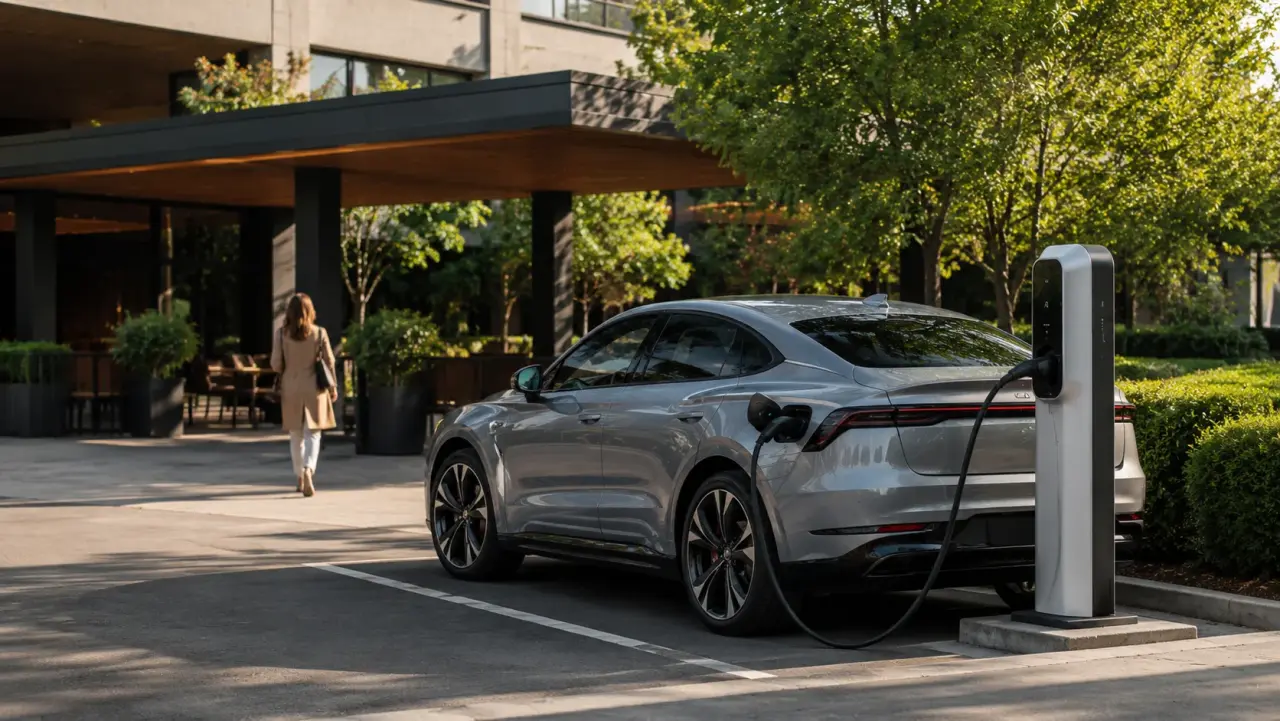
Destination charging lets you charge while you do something else: sleep at a hotel, have lunch, visit a museum, go to a shopping centre, or spend a few hours at a club.
For drivers, that means less wasted time. Charging stops being a mandatory stop and becomes part of the plan.
In Uruguay—where many trips are domestic tourism, weekend getaways, or routes between cities—this can be especially useful. The Ministry of Tourism promotes travelling by electric car in Uruguay, a sign that electric mobility is already part of the tourism conversation.
Why more places should offer charging
As the number of electric vehicles grows, so does the need for convenient charging points. It is not enough to have chargers in the city—they need to be near where people actually spend time.
- A hotel can offer overnight charging.
- A restaurant can attract guests who want to charge over a meal.
- A shopping centre can add value during the visit.
- A car park can stand out and monetise space better.
- A museum, club, or tourist destination can improve the experience for visitors who arrive by EV.
That is where CarCharge can help.
How CarCharge helps
CarCharge aims to expand Uruguay's charging network by connecting drivers with private or semi-public spaces that want to offer EV charging.
The platform helps manage who can charge, under what conditions, how payments work, and which rules apply—so more places can join without turning charging into an operational headache.
For drivers, that means more convenient options. For businesses, it means reaching a growing audience.
More charging points, better trips
The question “where to charge an electric car in Uruguay” will have more answers every year.
The public network will remain important, but the future also depends on hotels, restaurants, shopping centres, car parks, clubs, and tourist destinations willing to offer charging.
The more places that join, the easier it becomes to travel, work, and get around by electric car in Uruguay.
If you manage a site with parking, learn how to offer EV charging with CarCharge and be part of a more convenient network for electric drivers.